From Yarn to Rope: Why Buying from Ropes and Yarn Manufacturers in India Under One Roof Helps
从纱线到绳索:为什么从印度绳索和纱线制造商处一站式采购更有利

Title: From Yarn to Rope: Why Buying from Ropes and Yarn Manufacturers in India Under One Roof Helps Meta description: Rope is made from yarn, so the quality of one decides the other. Why buyers benefit from ropes and yarn manufacturers in India that make both.
A rope is not a raw material. It is a finished product built from yarn, and the yarn decides a lot about what the rope can do. That is why companies that make both, the kind ropes and yarn manufacturers in India advertise themselves as, can often answer questions that a reseller cannot. Here is how the two connect.
Yarn first
Yarn is made by spinning fibres into a continuous strand. Its thickness is described by a count. In the cotton system, a higher count means a finer yarn, and a lower count means a coarser one. Thicker yarn is common in heavy-duty rope and twine. Finer yarn appears in smaller cords and textiles.
Recycled open-end yarn
Open-end spinning is a method that can produce coarser yarns, and it is widely used with recycled and blended fibres. RKG Industries supplies recycled open-end yarn for textile and industrial users, and the same yarn expertise feeds into its rope products.
From yarn to strand to rope
For braided rope, the steps are, in simple terms:
Yarn is wound onto bobbins
Several yarns are plied together into strands
Strands are interlaced on a braiding machine in a set pattern
The rope is checked, wound and packed
The number of yarns, the number of strands and the braiding pattern together decide the diameter, stiffness and strength of the rope.
Why this matters to you
Consistency. If the same company controls yarn selection and rope making, it can keep material and construction steady between batches.
Traceability. When a problem appears, a maker that knows its yarn source can look at the cause. A reseller can only point to someone else.
Flexibility. A manufacturer that understands yarn can adjust rope construction for a particular look or feel, within the limits of its process.
One conversation. If you need yarn, rope, twine and tape, a single supplier simplifies ordering. RKG's range includes braided rope, twine rope, cotton webbing tape and small thread balls.
Signs of a real manufacturer
It can describe its process in plain words
It states material, size range and construction in writing
It offers samples and discusses tolerances
It talks about batch consistency
It is clear about what it can and cannot make
The product page states that RKG Industries was established in 2000, has 25+ years of experience and supplies cotton and polyester braided rope in sizes from 1 mm to 24 mm.
Questions worth asking
Do you manufacture the rope yourself, or buy it in?
What yarn is used, and can it be specified?
How is diameter controlled?
Can I see samples from different batches?
How do you handle repeat orders?
A caution on labels
Many suppliers call themselves manufacturers. Ask them where the production happens, and look for specific answers. Vague replies often mean a trading business.
Next step
Whether you need rope, yarn or both, RKG Industries can discuss specifications for bulk and regular orders. Reach out through the contact page.
General information only. Product availability and specifications depend on order requirements.
标题:从纱线到绳索:为什么从印度绳索和纱线制造商处一站式采购更有利 元描述:绳索由纱线制成,因此前者的质量取决于后者。为什么买家从同时生产两者的印度绳索和纱线制造商处采购会受益。
绳索不是原材料。它是由纱线制成的成品,而纱线在很大程度上决定了绳索的性能。这就是为什么像印度绳索和纱线制造商这样同时生产两者的公司,往往能回答转售商无法回答的问题。以下是两者之间的联系。
纱线先行
纱线是通过将纤维纺成连续的股线制成的。其粗细由支数描述。在棉纺系统中,支数越高表示纱线越细,支数越低表示纱线越粗。较粗的纱线常见于重型绳索和麻绳中。较细的纱线则出现在较小的绳索和纺织品中。
再生气流纺纱
气流纺纱是一种可以生产较粗纱线的方法,广泛用于再生纤维和混纺纤维。RKG Industries为纺织和工业用户提供再生气流纺纱,同样的纱线专业知识也应用于其绳索产品中。
从纱线到股线再到绳索
对于编织绳,简单来说步骤如下:
将纱线缠绕到筒管上
将多根纱线合股成股线
在编织机上按设定图案将股线交织在一起
检查、卷绕并包装绳索
纱线的数量、股线的数量以及编织图案共同决定了绳索的直径、硬度和强度。
为什么这对您很重要
一致性。如果同一家公司控制纱线选择和绳索制造,它就能保持批次之间材料和结构的一致性。
可追溯性。当出现问题时,了解纱线来源的制造商可以查找原因。转售商只能推卸给别人。
灵活性。了解纱线的制造商可以在其工艺范围内,针对特定的外观或手感调整绳索结构。
一次对话。如果您需要纱线、绳索、麻绳和胶带,单一供应商可以简化订购流程。RKG的产品范围包括编织绳、麻绳、棉织带和小型线球。
真正制造商的标志
能用通俗的语言描述其工艺
以书面形式说明材料、尺寸范围和结构
提供样品并讨论公差
谈论批次一致性
清楚说明其能制造和不能制造的产品
产品页面显示,RKG Industries成立于2000年,拥有25年以上的经验,供应尺寸从1毫米到24毫米不等的棉和涤纶编织绳。
值得询问的问题
您是自己制造绳索,还是外购的?
使用了什么纱线,可以指定吗?
直径是如何控制的?
我可以查看不同批次的样品吗?
你们如何处理重复订单?
关于标签的警告
许多供应商自称为制造商。询问他们生产在哪里进行,并寻找具体的答案。模糊的回答通常意味着这是一家贸易公司。
下一步
无论您需要绳索、纱线还是两者都需要,RKG Industries都可以讨论批量和定期订单的规格。请通过联系页面与我们联系。
仅供一般参考。产品供应情况和规格取决于订单要求。
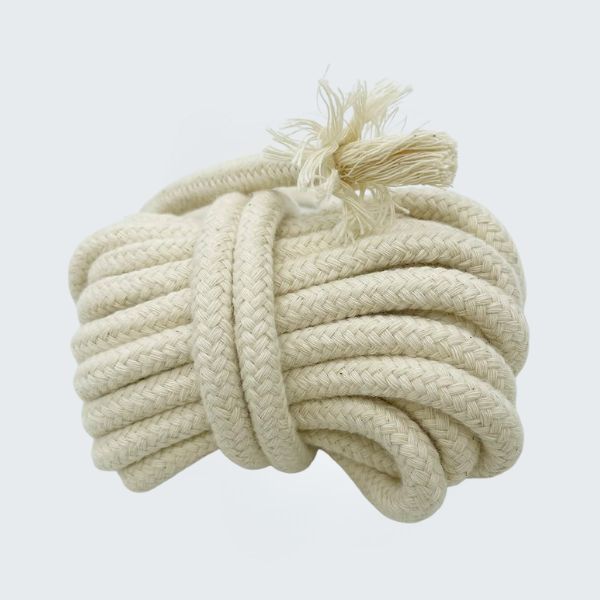 Braided Rope Manufacturers in India | Cotton, Polyester & Jute Rope
RKG Industries manufactures braided ropes in cotton, polyester and jute for packaging, agriculture, textile and industrial applications. Enquire for bulk requirements.
https://rkgindustries.com/product/braided-rope-manufacturers-in-india/