From Yarn to Rope: Why Buying from Ropes and Yarn Manufacturers in India Under One Roof Helps
糸からロープへ:インドのロープ・糸メーカーから一括購入するメリット

Title: From Yarn to Rope: Why Buying from Ropes and Yarn Manufacturers in India Under One Roof Helps Meta description: Rope is made from yarn, so the quality of one decides the other. Why buyers benefit from ropes and yarn manufacturers in India that make both.
A rope is not a raw material. It is a finished product built from yarn, and the yarn decides a lot about what the rope can do. That is why companies that make both, the kind ropes and yarn manufacturers in India advertise themselves as, can often answer questions that a reseller cannot. Here is how the two connect.
Yarn first
Yarn is made by spinning fibres into a continuous strand. Its thickness is described by a count. In the cotton system, a higher count means a finer yarn, and a lower count means a coarser one. Thicker yarn is common in heavy-duty rope and twine. Finer yarn appears in smaller cords and textiles.
Recycled open-end yarn
Open-end spinning is a method that can produce coarser yarns, and it is widely used with recycled and blended fibres. RKG Industries supplies recycled open-end yarn for textile and industrial users, and the same yarn expertise feeds into its rope products.
From yarn to strand to rope
For braided rope, the steps are, in simple terms:
Yarn is wound onto bobbins
Several yarns are plied together into strands
Strands are interlaced on a braiding machine in a set pattern
The rope is checked, wound and packed
The number of yarns, the number of strands and the braiding pattern together decide the diameter, stiffness and strength of the rope.
Why this matters to you
Consistency. If the same company controls yarn selection and rope making, it can keep material and construction steady between batches.
Traceability. When a problem appears, a maker that knows its yarn source can look at the cause. A reseller can only point to someone else.
Flexibility. A manufacturer that understands yarn can adjust rope construction for a particular look or feel, within the limits of its process.
One conversation. If you need yarn, rope, twine and tape, a single supplier simplifies ordering. RKG's range includes braided rope, twine rope, cotton webbing tape and small thread balls.
Signs of a real manufacturer
It can describe its process in plain words
It states material, size range and construction in writing
It offers samples and discusses tolerances
It talks about batch consistency
It is clear about what it can and cannot make
The product page states that RKG Industries was established in 2000, has 25+ years of experience and supplies cotton and polyester braided rope in sizes from 1 mm to 24 mm.
Questions worth asking
Do you manufacture the rope yourself, or buy it in?
What yarn is used, and can it be specified?
How is diameter controlled?
Can I see samples from different batches?
How do you handle repeat orders?
A caution on labels
Many suppliers call themselves manufacturers. Ask them where the production happens, and look for specific answers. Vague replies often mean a trading business.
Next step
Whether you need rope, yarn or both, RKG Industries can discuss specifications for bulk and regular orders. Reach out through the contact page.
General information only. Product availability and specifications depend on order requirements.
タイトル:糸からロープへ:インドのロープ・糸メーカーから一括購入するメリット メタディスクリプション:ロープは糸から作られるため、糸の品質がロープの品質を左右します。インドのロープ・糸メーカーから両方を調達することでバイヤーが得られるメリットとは。
ロープは原材料ではありません。糸から作られる完成品であり、その糸がロープの性能を大きく左右します。そのため、インドのロープ・糸メーカーのように両方を製造している企業は、再販業者には答えられないような質問にも答えることができます。両者がどのように関連しているのかを解説します。
まずは糸から
糸は繊維を紡いで連続したストランドにすることで作られます。その太さは番手で表されます。綿番手では、番手が高いほど細い糸、低いほど太い糸を意味します。太い糸は高耐久のロープやより糸によく使われます。細い糸は小さなコードや繊維製品に使われます。
リサイクルオープンエンド糸
オープンエンド紡績は太い糸を製造できる手法で、リサイクル繊維や混紡繊維に広く使われています。RKG Industriesは繊維および産業ユーザー向けにリサイクルオープンエンド糸を供給しており、その糸に関する専門知識がロープ製品にも活かされています。
糸からストランド、そしてロープへ
組紐ロープの工程は、簡単に言うと以下の通りです:
糸をボビンに巻き取る
複数の糸を撚り合わせてストランドにする
ストランドを組紐機で一定のパターンで編み込む
ロープを検査し、巻き取り、梱包する
糸の数、ストランドの数、編み方のパターンが、ロープの直径、硬さ、強度を決定します。
なぜこれが重要なのか
一貫性。同じ企業が糸の選定からロープ製造までを管理していれば、バッチ間での素材や構造の安定性を保つことができます。
トレーサビリティ。問題が発生した際、糸の供給源を知っているメーカーであれば原因を追究できます。再販業者は他者を指し示すことしかできません。
柔軟性。糸を理解しているメーカーであれば、プロセスの範囲内で、特定の見た目や感触に合わせてロープの構造を調整できます。
窓口の一本化。糸、ロープ、より糸、テープが必要な場合、サプライヤーを一つに絞ることで発注が簡素化されます。RKGの製品ラインナップには、組紐ロープ、より糸ロープ、綿ウェビングテープ、小さな糸玉が含まれます。
本物のメーカーを見分けるポイント
プロセスを平易な言葉で説明できる
素材、サイズ範囲、構造を文書で明示している
サンプルを提供し、公差について議論できる
バッチの一貫性について説明できる
製造可能なものと不可能なものを明確にしている
製品ページによると、RKG Industriesは2000年に設立され、25年以上の経験を持ち、1mmから24mmまでの綿およびポリエステル製組紐ロープを供給しています。
尋ねるべき質問
ロープは自社製造ですか、それとも仕入れていますか?
どのような糸が使われており、指定は可能ですか?
直径はどのように管理されていますか?
異なるバッチのサンプルを見せてもらえますか?
リピート注文にはどのように対応していますか?
ラベルに関する注意点
多くのサプライヤーが自社をメーカーと呼んでいます。どこで生産が行われているかを尋ね、具体的な回答を求めてください。曖昧な回答は、商社であることを意味している場合が多いです。
次のステップ
ロープ、糸、あるいはその両方が必要な場合、RKG Industriesが大量注文や定期注文の仕様についてご相談に応じます。お問い合わせページからご連絡ください。
一般情報のみ。製品の在庫状況や仕様は注文要件によって異なります。
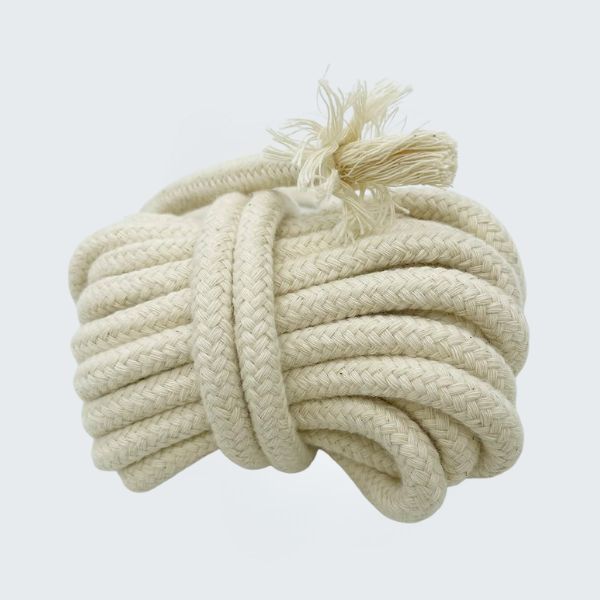 Braided Rope Manufacturers in India | Cotton, Polyester & Jute Rope
RKG Industries manufactures braided ropes in cotton, polyester and jute for packaging, agriculture, textile and industrial applications. Enquire for bulk requirements.
https://rkgindustries.com/product/braided-rope-manufacturers-in-india/