From Yarn to Rope: Why Buying from Ropes and Yarn Manufacturers in India Under One Roof Helps
จากเส้นด้ายสู่เชือก: ทำไมการซื้อจากผู้ผลิตเชือกและเส้นด้ายในอินเดียในที่เดียวถึงช่วยคุณได้

Title: From Yarn to Rope: Why Buying from Ropes and Yarn Manufacturers in India Under One Roof Helps Meta description: Rope is made from yarn, so the quality of one decides the other. Why buyers benefit from ropes and yarn manufacturers in India that make both.
A rope is not a raw material. It is a finished product built from yarn, and the yarn decides a lot about what the rope can do. That is why companies that make both, the kind ropes and yarn manufacturers in India advertise themselves as, can often answer questions that a reseller cannot. Here is how the two connect.
Yarn first
Yarn is made by spinning fibres into a continuous strand. Its thickness is described by a count. In the cotton system, a higher count means a finer yarn, and a lower count means a coarser one. Thicker yarn is common in heavy-duty rope and twine. Finer yarn appears in smaller cords and textiles.
Recycled open-end yarn
Open-end spinning is a method that can produce coarser yarns, and it is widely used with recycled and blended fibres. RKG Industries supplies recycled open-end yarn for textile and industrial users, and the same yarn expertise feeds into its rope products.
From yarn to strand to rope
For braided rope, the steps are, in simple terms:
Yarn is wound onto bobbins
Several yarns are plied together into strands
Strands are interlaced on a braiding machine in a set pattern
The rope is checked, wound and packed
The number of yarns, the number of strands and the braiding pattern together decide the diameter, stiffness and strength of the rope.
Why this matters to you
Consistency. If the same company controls yarn selection and rope making, it can keep material and construction steady between batches.
Traceability. When a problem appears, a maker that knows its yarn source can look at the cause. A reseller can only point to someone else.
Flexibility. A manufacturer that understands yarn can adjust rope construction for a particular look or feel, within the limits of its process.
One conversation. If you need yarn, rope, twine and tape, a single supplier simplifies ordering. RKG's range includes braided rope, twine rope, cotton webbing tape and small thread balls.
Signs of a real manufacturer
It can describe its process in plain words
It states material, size range and construction in writing
It offers samples and discusses tolerances
It talks about batch consistency
It is clear about what it can and cannot make
The product page states that RKG Industries was established in 2000, has 25+ years of experience and supplies cotton and polyester braided rope in sizes from 1 mm to 24 mm.
Questions worth asking
Do you manufacture the rope yourself, or buy it in?
What yarn is used, and can it be specified?
How is diameter controlled?
Can I see samples from different batches?
How do you handle repeat orders?
A caution on labels
Many suppliers call themselves manufacturers. Ask them where the production happens, and look for specific answers. Vague replies often mean a trading business.
Next step
Whether you need rope, yarn or both, RKG Industries can discuss specifications for bulk and regular orders. Reach out through the contact page.
General information only. Product availability and specifications depend on order requirements.
ชื่อเรื่อง: จากเส้นด้ายสู่เชือก: ทำไมการซื้อจากผู้ผลิตเชือกและเส้นด้ายในอินเดียในที่เดียวถึงช่วยคุณได้ คำอธิบายเมตา: เชือกทำมาจากเส้นด้าย ดังนั้นคุณภาพของอย่างหนึ่งจึงกำหนดอีกอย่างหนึ่ง ทำไมผู้ซื้อถึงได้รับประโยชน์จากผู้ผลิตเชือกและเส้นด้ายในอินเดียที่ผลิตทั้งสองอย่าง
เชือกไม่ใช่แค่วัตถุดิบ แต่เป็นผลิตภัณฑ์สำเร็จรูปที่สร้างขึ้นจากเส้นด้าย และเส้นด้ายเป็นตัวกำหนดหลายสิ่งหลายอย่างเกี่ยวกับประสิทธิภาพของเชือก นั่นคือเหตุผลที่บริษัทที่ผลิตทั้งสองอย่าง ซึ่งเป็นประเภทที่ผู้ผลิตเชือกและเส้นด้ายในอินเดียโฆษณาตัวเอง มักจะสามารถตอบคำถามที่ผู้ค้าปลีกตอบไม่ได้ นี่คือวิธีที่ทั้งสองเชื่อมโยงกัน
เส้นด้ายมาก่อน
เส้นด้ายทำโดยการปั่นเส้นใยให้เป็นเส้นต่อเนื่อง ความหนาของเส้นด้ายอธิบายด้วยจำนวนนับ ในระบบฝ้าย จำนวนนับที่สูงกว่าหมายถึงเส้นด้ายที่ละเอียดกว่า และจำนวนนับที่ต่ำกว่าหมายถึงเส้นด้ายที่หยาบกว่า เส้นด้ายที่หนากว่ามักพบในเชือกและเชือกป่านสำหรับงานหนัก เส้นด้ายที่ละเอียดกว่าจะปรากฏในเชือกขนาดเล็กและสิ่งทอ
เส้นด้ายรีไซเคิลแบบ Open-end
การปั่นแบบ Open-end เป็นวิธีการที่สามารถผลิตเส้นด้ายที่หยาบกว่า และใช้กันอย่างแพร่หลายกับเส้นใยรีไซเคิลและเส้นใยผสม RKG Industries จัดหาเส้นด้ายรีไซเคิลแบบ Open-end สำหรับผู้ใช้ในอุตสาหกรรมสิ่งทอและอุตสาหกรรมอื่นๆ และความเชี่ยวชาญด้านเส้นด้ายเดียวกันนี้ยังถูกนำไปใช้ในผลิตภัณฑ์เชือกของบริษัทด้วย
จากเส้นด้ายสู่เกลียวสู่เชือก
สำหรับเชือกถัก ขั้นตอนโดยสรุปคือ:
เส้นด้ายถูกพันลงบนหลอดด้าย
เส้นด้ายหลายเส้นถูกตีเกลียวรวมกันเป็นเส้น
เส้นถูกนำมาถักบนเครื่องถักตามรูปแบบที่กำหนด
เชือกถูกตรวจสอบ ม้วน และบรรจุหีบห่อ
จำนวนเส้นด้าย จำนวนเกลียว และรูปแบบการถักจะเป็นตัวกำหนดเส้นผ่านศูนย์กลาง ความแข็ง และความแข็งแรงของเชือก
ทำไมเรื่องนี้ถึงสำคัญกับคุณ
ความสม่ำเสมอ หากบริษัทเดียวกันควบคุมการเลือกเส้นด้ายและการทำเชือก ก็สามารถรักษาวัสดุและโครงสร้างให้คงที่ระหว่างล็อตการผลิตได้
การตรวจสอบย้อนกลับ เมื่อเกิดปัญหา ผู้ผลิตที่รู้แหล่งที่มาของเส้นด้ายสามารถหาสาเหตุได้ ผู้ค้าปลีกทำได้เพียงชี้ไปที่คนอื่นเท่านั้น
ความยืดหยุ่น ผู้ผลิตที่เข้าใจเส้นด้ายสามารถปรับโครงสร้างเชือกให้ได้รูปลักษณ์หรือความรู้สึกที่ต้องการ ภายในขอบเขตของกระบวนการผลิต
การสนทนาเดียว หากคุณต้องการเส้นด้าย เชือก เชือกป่าน และเทป ซัพพลายเออร์รายเดียวช่วยให้การสั่งซื้อง่ายขึ้น กลุ่มผลิตภัณฑ์ของ RKG รวมถึงเชือกถัก เชือกป่าน เทปผ้าฝ้าย และลูกบอลด้ายขนาดเล็ก
สัญญาณของผู้ผลิตตัวจริง
สามารถอธิบายกระบวนการของตนด้วยคำพูดง่ายๆ
ระบุวัสดุ ช่วงขนาด และโครงสร้างเป็นลายลักษณ์อักษร
เสนอตัวอย่างและหารือเกี่ยวกับค่าความคลาดเคลื่อน
พูดคุยเกี่ยวกับความสม่ำเสมอของล็อตการผลิต
มีความชัดเจนเกี่ยวกับสิ่งที่สามารถและไม่สามารถผลิตได้
หน้าผลิตภัณฑ์ระบุว่า RKG Industries ก่อตั้งขึ้นในปี 2000 มีประสบการณ์มากกว่า 25 ปี และจัดหาเชือกถักฝ้ายและโพลีเอสเตอร์ในขนาดตั้งแต่ 1 มม. ถึง 24 มม.
คำถามที่ควรถาม
คุณผลิตเชือกเองหรือซื้อมา?
ใช้เส้นด้ายอะไร และสามารถระบุได้หรือไม่?
ควบคุมเส้นผ่านศูนย์กลางอย่างไร?
ฉันสามารถดูตัวอย่างจากล็อตต่างๆ ได้หรือไม่?
คุณจัดการกับคำสั่งซื้อซ้ำอย่างไร?
ข้อควรระวังเกี่ยวกับฉลาก
ซัพพลายเออร์หลายรายเรียกตัวเองว่าผู้ผลิต ให้ถามพวกเขาว่าการผลิตเกิดขึ้นที่ไหน และมองหาคำตอบที่เฉพาะเจาะจง คำตอบที่คลุมเครือมักหมายถึงธุรกิจการค้า
ขั้นตอนถัดไป
ไม่ว่าคุณจะต้องการเชือก เส้นด้าย หรือทั้งสองอย่าง RKG Industries สามารถหารือเกี่ยวกับข้อกำหนดสำหรับการสั่งซื้อจำนวนมากและคำสั่งซื้อปกติ ติดต่อผ่านหน้าติดต่อ
ข้อมูลทั่วไปเท่านั้น ความพร้อมจำหน่ายของผลิตภัณฑ์และข้อมูลจำเพาะขึ้นอยู่กับความต้องการในการสั่งซื้อ
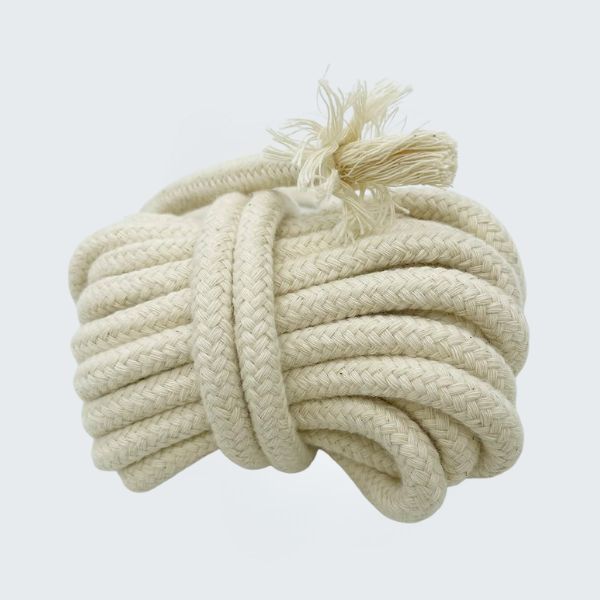 Braided Rope Manufacturers in India | Cotton, Polyester & Jute Rope
RKG Industries manufactures braided ropes in cotton, polyester and jute for packaging, agriculture, textile and industrial applications. Enquire for bulk requirements.
https://rkgindustries.com/product/braided-rope-manufacturers-in-india/