From Yarn to Rope: Why Buying from Ropes and Yarn Manufacturers in India Under One Roof Helps
실에서 로프까지: 인도에서 로프 및 실 제조업체로부터 한곳에서 구매하는 것이 도움이 되는 이유

Title: From Yarn to Rope: Why Buying from Ropes and Yarn Manufacturers in India Under One Roof Helps Meta description: Rope is made from yarn, so the quality of one decides the other. Why buyers benefit from ropes and yarn manufacturers in India that make both.
A rope is not a raw material. It is a finished product built from yarn, and the yarn decides a lot about what the rope can do. That is why companies that make both, the kind ropes and yarn manufacturers in India advertise themselves as, can often answer questions that a reseller cannot. Here is how the two connect.
Yarn first
Yarn is made by spinning fibres into a continuous strand. Its thickness is described by a count. In the cotton system, a higher count means a finer yarn, and a lower count means a coarser one. Thicker yarn is common in heavy-duty rope and twine. Finer yarn appears in smaller cords and textiles.
Recycled open-end yarn
Open-end spinning is a method that can produce coarser yarns, and it is widely used with recycled and blended fibres. RKG Industries supplies recycled open-end yarn for textile and industrial users, and the same yarn expertise feeds into its rope products.
From yarn to strand to rope
For braided rope, the steps are, in simple terms:
Yarn is wound onto bobbins
Several yarns are plied together into strands
Strands are interlaced on a braiding machine in a set pattern
The rope is checked, wound and packed
The number of yarns, the number of strands and the braiding pattern together decide the diameter, stiffness and strength of the rope.
Why this matters to you
Consistency. If the same company controls yarn selection and rope making, it can keep material and construction steady between batches.
Traceability. When a problem appears, a maker that knows its yarn source can look at the cause. A reseller can only point to someone else.
Flexibility. A manufacturer that understands yarn can adjust rope construction for a particular look or feel, within the limits of its process.
One conversation. If you need yarn, rope, twine and tape, a single supplier simplifies ordering. RKG's range includes braided rope, twine rope, cotton webbing tape and small thread balls.
Signs of a real manufacturer
It can describe its process in plain words
It states material, size range and construction in writing
It offers samples and discusses tolerances
It talks about batch consistency
It is clear about what it can and cannot make
The product page states that RKG Industries was established in 2000, has 25+ years of experience and supplies cotton and polyester braided rope in sizes from 1 mm to 24 mm.
Questions worth asking
Do you manufacture the rope yourself, or buy it in?
What yarn is used, and can it be specified?
How is diameter controlled?
Can I see samples from different batches?
How do you handle repeat orders?
A caution on labels
Many suppliers call themselves manufacturers. Ask them where the production happens, and look for specific answers. Vague replies often mean a trading business.
Next step
Whether you need rope, yarn or both, RKG Industries can discuss specifications for bulk and regular orders. Reach out through the contact page.
General information only. Product availability and specifications depend on order requirements.
제목: 실에서 로프까지: 인도에서 로프 및 실 제조업체로부터 한곳에서 구매하는 것이 도움이 되는 이유 메타 설명: 로프는 실로 만들어지므로 실의 품질이 로프의 품질을 결정합니다. 인도에서 로프와 실을 모두 제조하는 업체로부터 구매할 때 구매자가 얻는 이점.
로프는 원자재가 아닙니다. 로프는 실로 만들어진 완제품이며, 실은 로프의 성능을 결정하는 데 큰 역할을 합니다. 이것이 바로 인도에서 로프와 실을 모두 제조하는 업체들이 리셀러가 답할 수 없는 질문에 답할 수 있는 이유입니다. 두 가지가 어떻게 연결되는지 설명해 드립니다.
실이 먼저입니다
실은 섬유를 꼬아 연속적인 가닥으로 만들어집니다. 실의 굵기는 번수로 표시됩니다. 면사 시스템에서 번수가 높을수록 더 가는 실을 의미하고, 번수가 낮을수록 더 굵은 실을 의미합니다. 더 굵은 실은 고강도 로프와 끈에 흔히 사용됩니다. 더 가는 실은 작은 코드와 직물에 나타납니다.
재활용 오픈엔드사
오픈엔드 방적은 더 굵은 실을 생산할 수 있는 방법이며, 재활용 및 혼방 섬유에 널리 사용됩니다. RKG Industries는 섬유 및 산업용 사용자를 위해 재활용 오픈엔드사를 공급하며, 동일한 실 전문 지식이 로프 제품에도 적용됩니다.
실에서 가닥으로, 그리고 로프로
땋은 로프의 경우, 간단히 말해 단계는 다음과 같습니다:
실을 보빈에 감습니다
여러 실을 꼬아 가닥으로 만듭니다
가닥을 땋기 기계에서 정해진 패턴으로 엮습니다
로프를 검사하고 감아서 포장합니다
실의 수, 가닥의 수, 땋기 패턴이 합쳐져 로프의 직경, 강성 및 강도를 결정합니다.
이것이 중요한 이유
일관성. 동일한 회사가 실 선택과 로프 제조를 모두 관리하면 배치 간에 재료와 구조를 일정하게 유지할 수 있습니다.
추적 가능성. 문제가 발생하면 실의 출처를 아는 제조업체는 원인을 파악할 수 있습니다. 리셀러는 다른 사람을 가리킬 수밖에 없습니다.
유연성. 실을 이해하는 제조업체는 공정의 한계 내에서 특정 외관이나 느낌을 위해 로프 구조를 조정할 수 있습니다.
단일 대화. 실, 로프, 끈, 테이프가 필요한 경우 단일 공급업체를 통해 주문이 간소화됩니다. RKG의 제품군에는 땋은 로프, 끈 로프, 면 웨빙 테이프 및 작은 실 뭉치가 포함됩니다.
진정한 제조업체의 징후
공정을 쉬운 말로 설명할 수 있습니다
재료, 크기 범위 및 구조를 서면으로 명시합니다
샘플을 제공하고 허용 오차를 논의합니다
배치 일관성에 대해 이야기합니다
무엇을 만들 수 있고 무엇을 만들 수 없는지 명확합니다
제품 페이지에는 RKG Industries가 2000년에 설립되었으며 25년 이상의 경험을 보유하고 있고 1mm에서 24mm 크기의 면 및 폴리에스터 땋은 로프를 공급한다고 명시되어 있습니다.
질문해 볼 가치가 있는 것들
로프를 직접 제조합니까, 아니면 사서 판매합니까?
어떤 실이 사용되며, 사양을 지정할 수 있습니까?
직경은 어떻게 제어됩니까?
다른 배치에서 나온 샘플을 볼 수 있습니까?
반복 주문은 어떻게 처리합니까?
라벨에 대한 주의 사항
많은 공급업체가 스스로를 제조업체라고 부릅니다. 생산이 어디에서 이루어지는지 묻고 구체적인 답변을 찾으십시오. 모호한 답변은 종종 무역업체임을 의미합니다.
다음 단계
로프, 실 또는 둘 다 필요하든, RKG Industries는 대량 및 정기 주문에 대한 사양을 논의할 수 있습니다. 문의 페이지를 통해 연락하십시오.
일반 정보일 뿐입니다. 제품 가용성 및 사양은 주문 요구 사항에 따라 다릅니다.
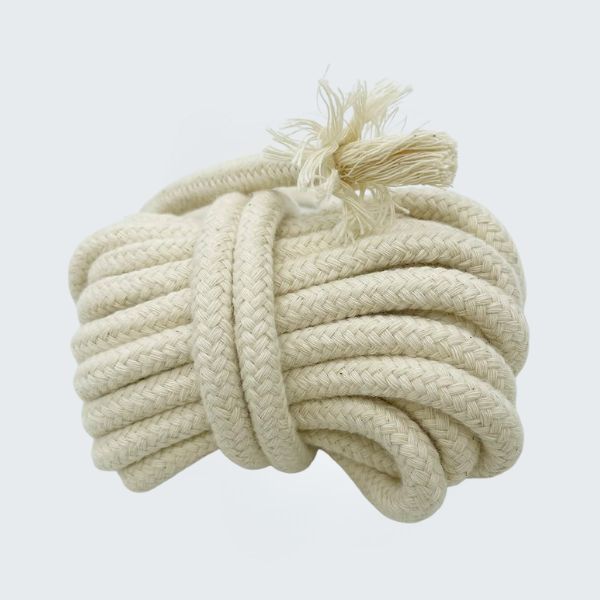 Braided Rope Manufacturers in India | Cotton, Polyester & Jute Rope
RKG Industries manufactures braided ropes in cotton, polyester and jute for packaging, agriculture, textile and industrial applications. Enquire for bulk requirements.
https://rkgindustries.com/product/braided-rope-manufacturers-in-india/