From Yarn to Rope: Why Buying from Ropes and Yarn Manufacturers in India Under One Roof Helps
From Yarn to Rope: Why Buying from Ropes and Yarn Manufacturers in India Under One Roof Helps

Title: From Yarn to Rope: Why Buying from Ropes and Yarn Manufacturers in India Under One Roof Helps Meta description: Rope is made from yarn, so the quality of one decides the other. Why buyers benefit from ropes and yarn manufacturers in India that make both.
A rope is not a raw material. It is a finished product built from yarn, and the yarn decides a lot about what the rope can do. That is why companies that make both, the kind ropes and yarn manufacturers in India advertise themselves as, can often answer questions that a reseller cannot. Here is how the two connect.
Yarn first
Yarn is made by spinning fibres into a continuous strand. Its thickness is described by a count. In the cotton system, a higher count means a finer yarn, and a lower count means a coarser one. Thicker yarn is common in heavy-duty rope and twine. Finer yarn appears in smaller cords and textiles.
Recycled open-end yarn
Open-end spinning is a method that can produce coarser yarns, and it is widely used with recycled and blended fibres. RKG Industries supplies recycled open-end yarn for textile and industrial users, and the same yarn expertise feeds into its rope products.
From yarn to strand to rope
For braided rope, the steps are, in simple terms:
Yarn is wound onto bobbins
Several yarns are plied together into strands
Strands are interlaced on a braiding machine in a set pattern
The rope is checked, wound and packed
The number of yarns, the number of strands and the braiding pattern together decide the diameter, stiffness and strength of the rope.
Why this matters to you
Consistency. If the same company controls yarn selection and rope making, it can keep material and construction steady between batches.
Traceability. When a problem appears, a maker that knows its yarn source can look at the cause. A reseller can only point to someone else.
Flexibility. A manufacturer that understands yarn can adjust rope construction for a particular look or feel, within the limits of its process.
One conversation. If you need yarn, rope, twine and tape, a single supplier simplifies ordering. RKG's range includes braided rope, twine rope, cotton webbing tape and small thread balls.
Signs of a real manufacturer
It can describe its process in plain words
It states material, size range and construction in writing
It offers samples and discusses tolerances
It talks about batch consistency
It is clear about what it can and cannot make
The product page states that RKG Industries was established in 2000, has 25+ years of experience and supplies cotton and polyester braided rope in sizes from 1 mm to 24 mm.
Questions worth asking
Do you manufacture the rope yourself, or buy it in?
What yarn is used, and can it be specified?
How is diameter controlled?
Can I see samples from different batches?
How do you handle repeat orders?
A caution on labels
Many suppliers call themselves manufacturers. Ask them where the production happens, and look for specific answers. Vague replies often mean a trading business.
Next step
Whether you need rope, yarn or both, RKG Industries can discuss specifications for bulk and regular orders. Reach out through the contact page.
General information only. Product availability and specifications depend on order requirements.
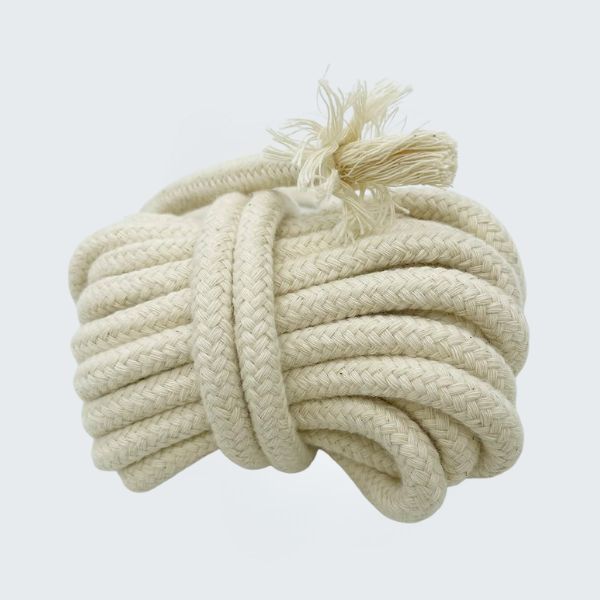 Braided Rope Manufacturers in India | Cotton, Polyester & Jute Rope
RKG Industries manufactures braided ropes in cotton, polyester and jute for packaging, agriculture, textile and industrial applications. Enquire for bulk requirements.
https://rkgindustries.com/product/braided-rope-manufacturers-in-india/